Astronomy & Universe
Exploring Cosmic Topology and Its Potential Impact on Interstellar Travel
Researchers consider whether the shape of the universe could affect the feasibility of long‑range spaceflight.
Space, spaceflight & New Space – fresh daily, AI-assisted
Researchers consider whether the shape of the universe could affect the feasibility of long‑range spaceflight.
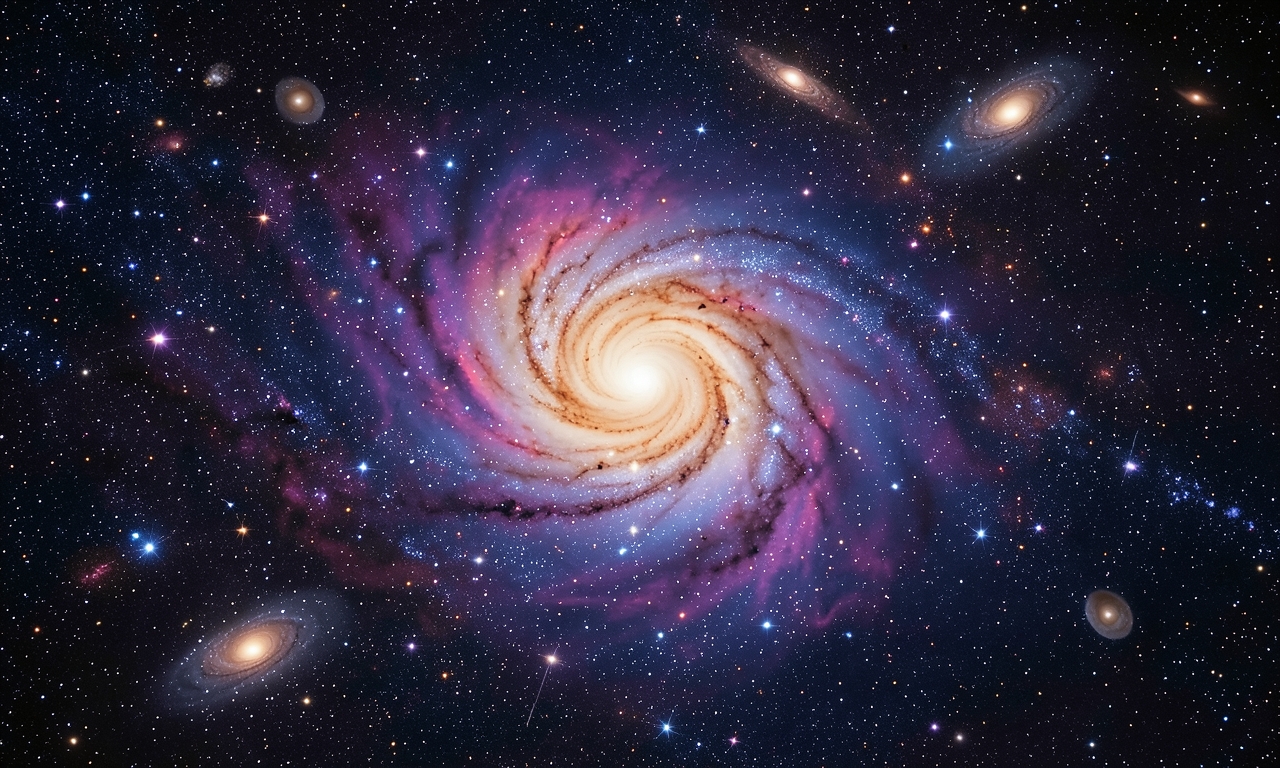
Hubble’s view of NGC 4698 reveals a galaxy whose inner region spins perpendicular to its main disk.
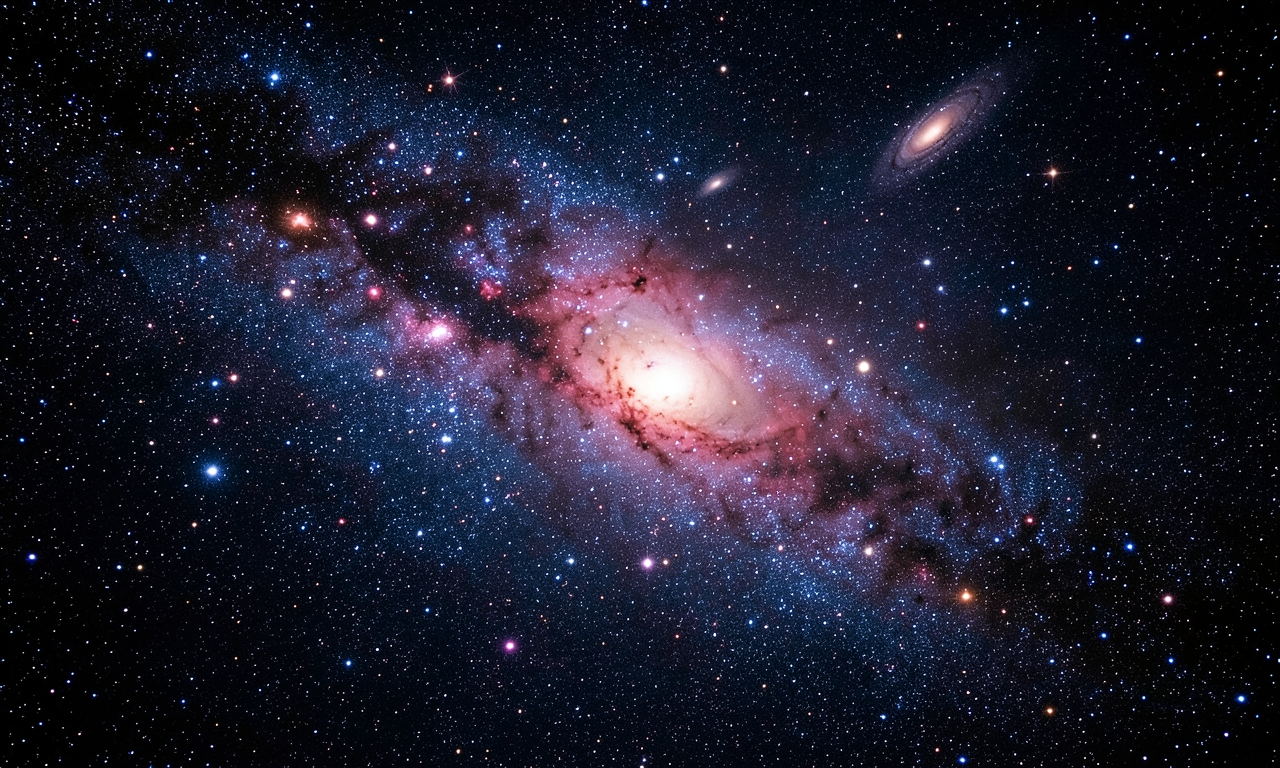
The Astronomy Picture of the Day features the spiral galaxy Messier 33, also known as the Triangulum Galaxy, on 18 September 2026.
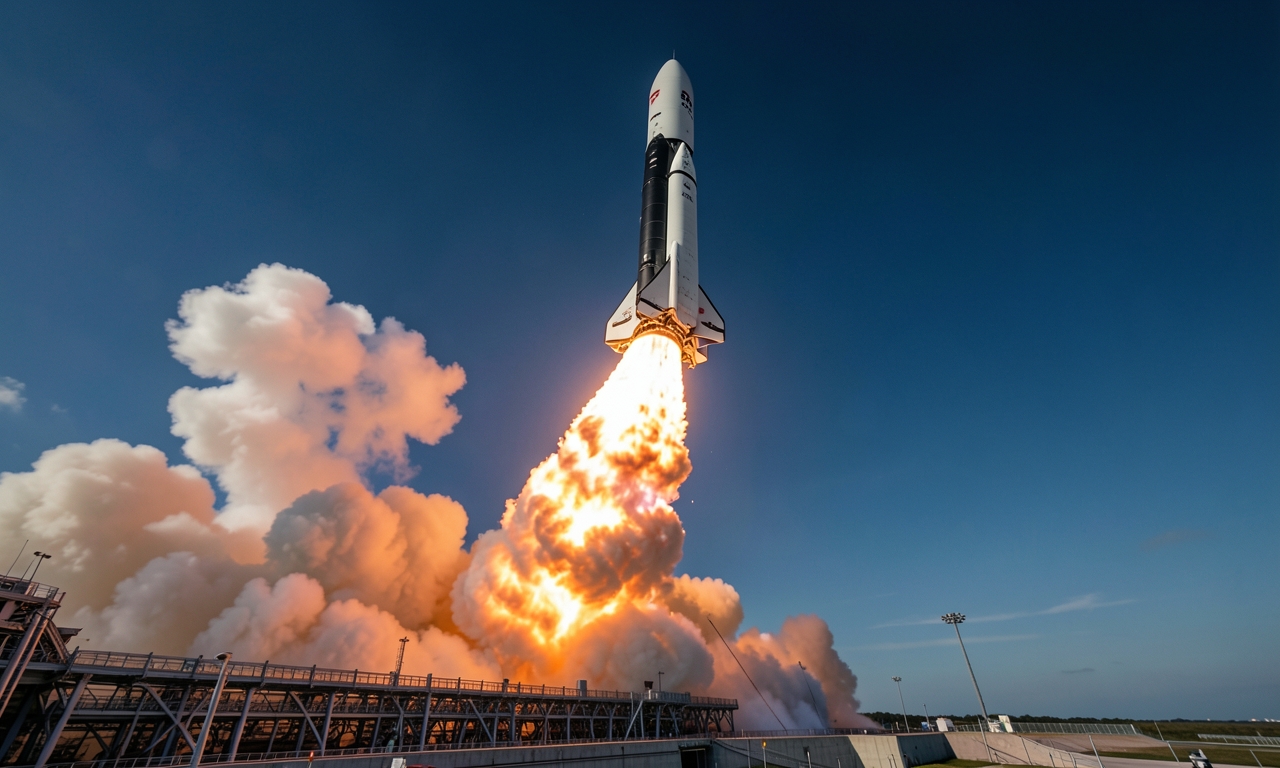
NASA has selected SpaceX to launch the StarBurst satellite, which will study neutron star mergers and short gamma‑ray bursts.
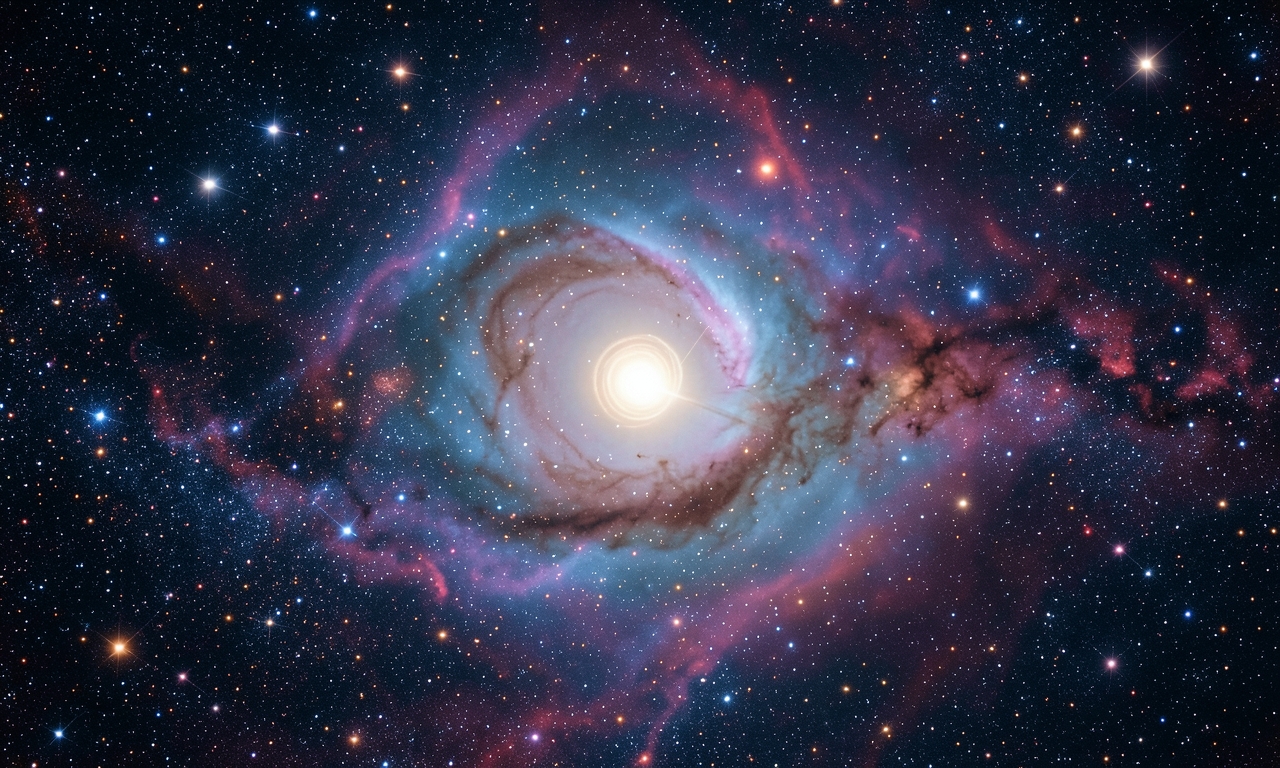
A brightening event first seen three decades ago on a faint white dwarf is now explained as a very late thermal pulse, turning the star into a reborn, Wolf‑Rayet‑like object.
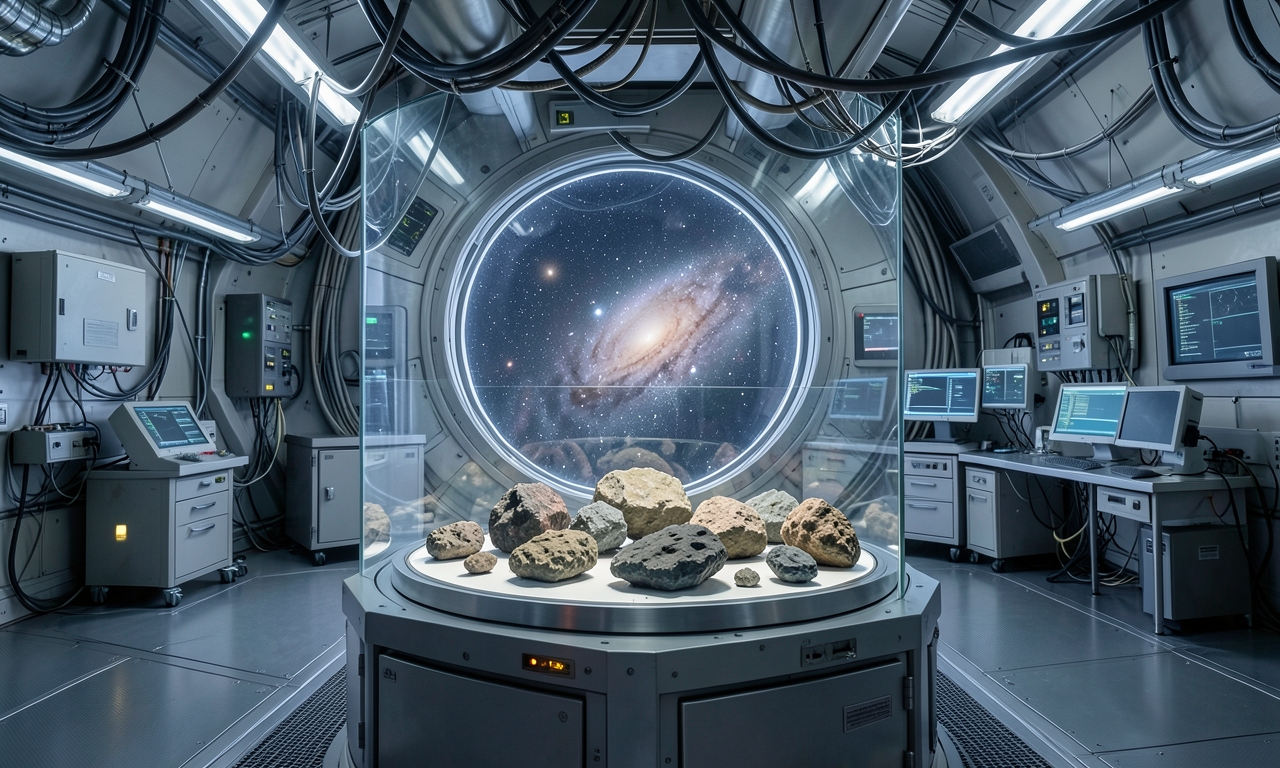
Scientists from two major laboratories have teamed up to examine the makeup of meteorites in detail, aiming to shed light on the early stages of our solar system’s formation.
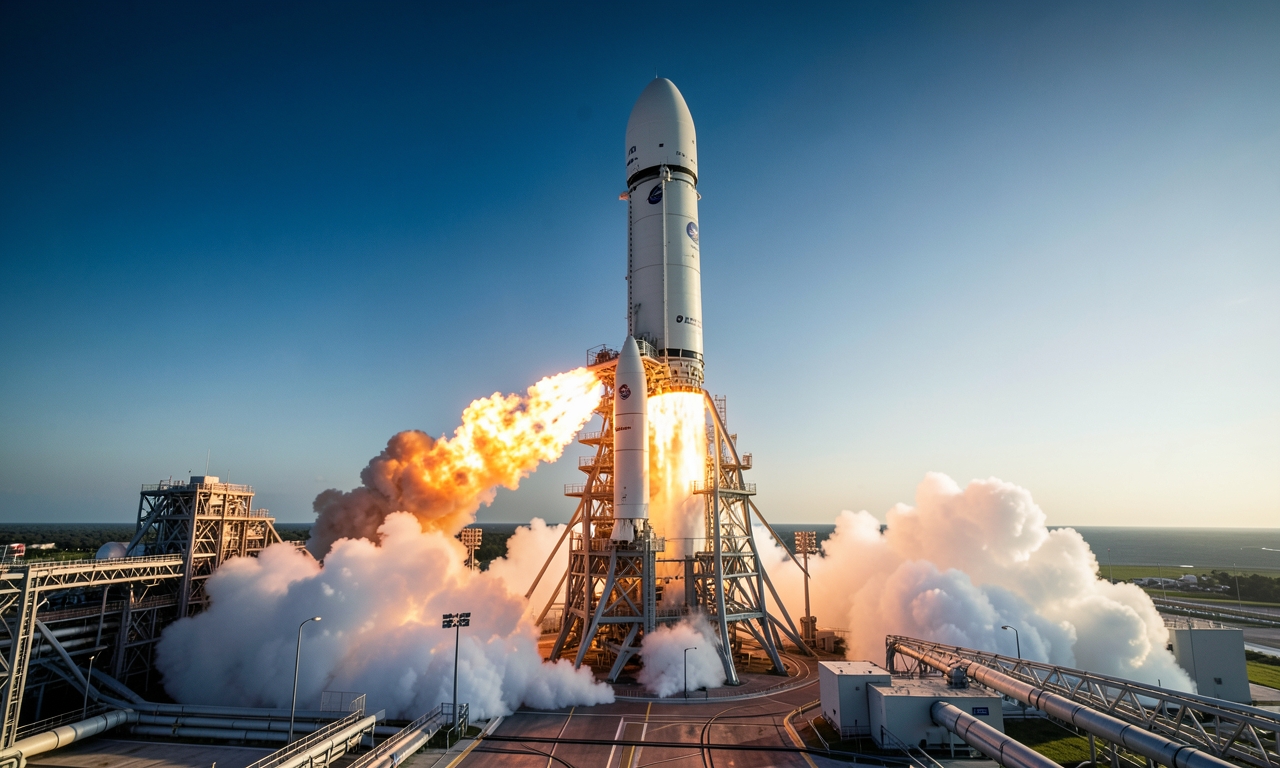
Media accreditation is now open for the upcoming Falcon 9 launch carrying cargo to the International Space Station.
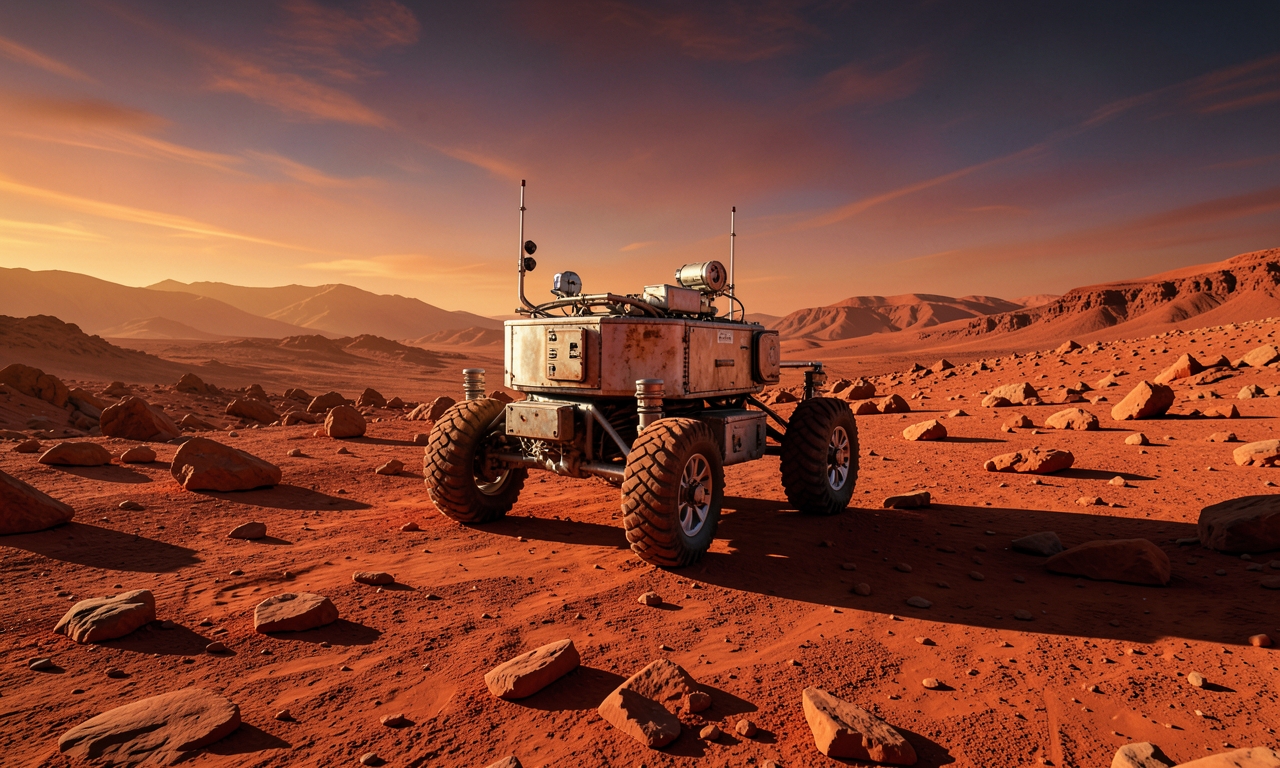
New analysis of Martian rocks suggests the planet may store more carbonate underground than previously thought.
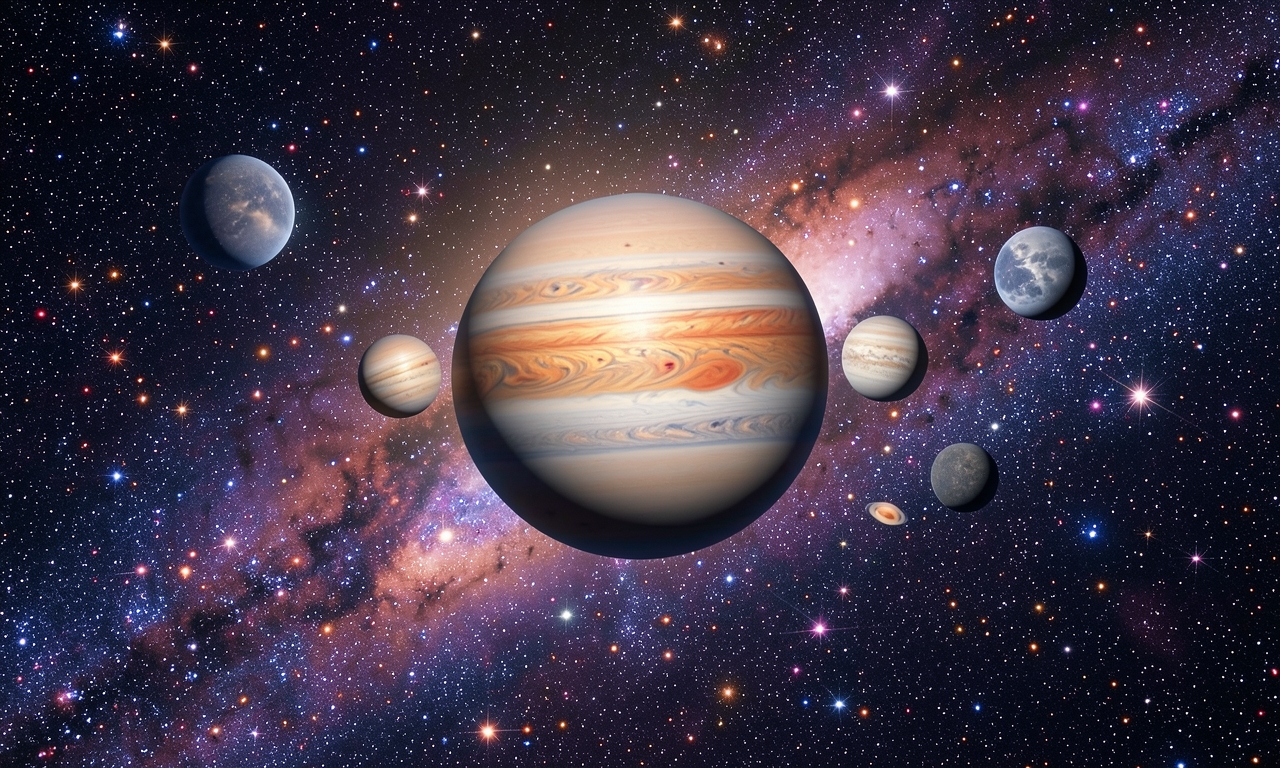
From late 2026 into early 2027, a special viewing window opens for the major Jovian moons.
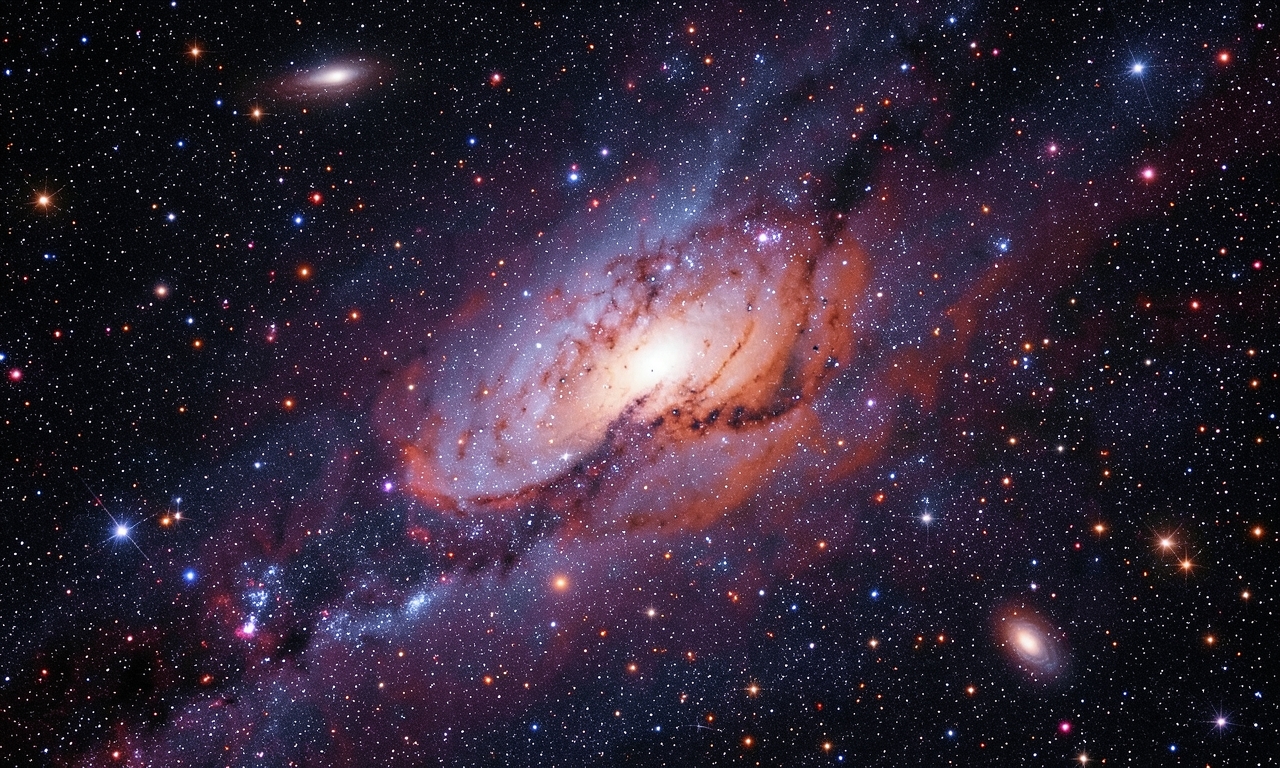
Simulations on the ATERUI III supercomputer suggest that the enigmatic Little Red Dots observed by JWST are rapidly growing black holes in the early universe.
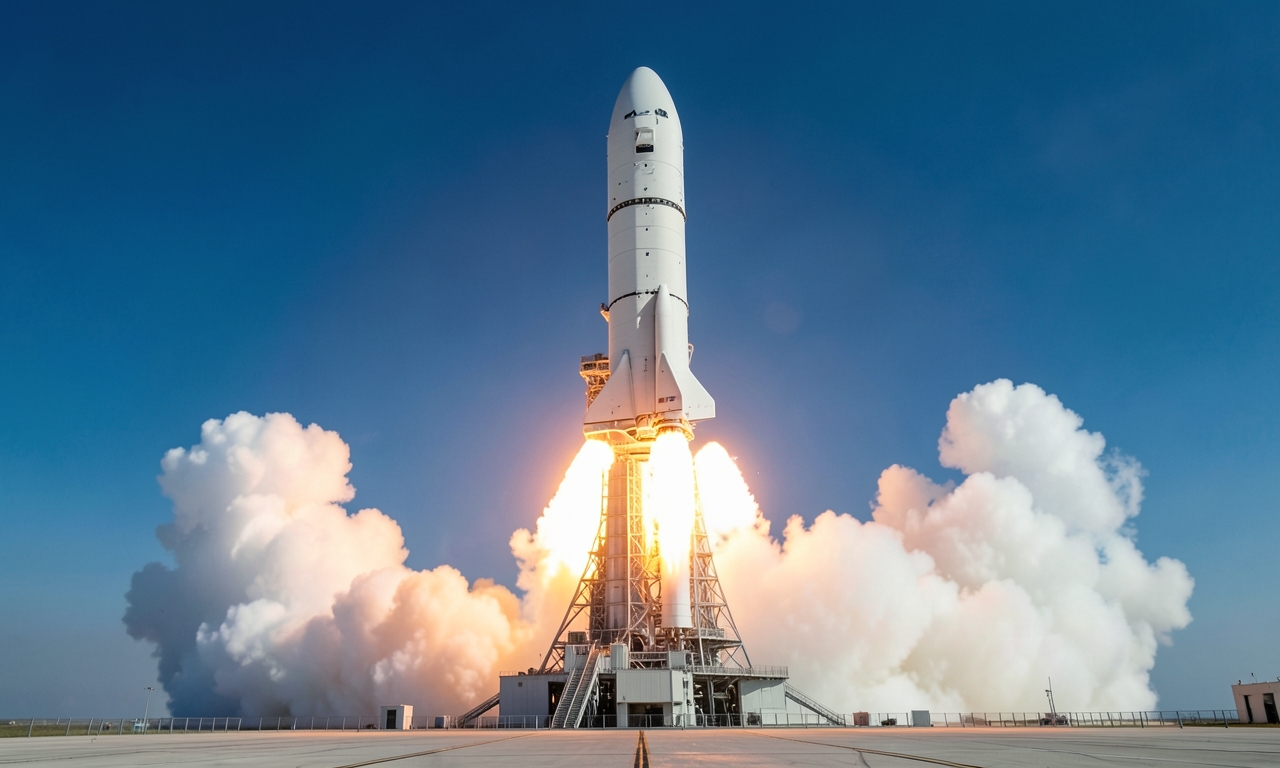
On September 17, 1976, NASA revealed the OV-101 orbiter, which would later be named Enterprise. The unveiling took place on Constitution Day during the United States’ bicentennial year.