Science & Research

Seasonal water shifts move Earth's center of mass slightly

1 min read
Seasonal water shifts move Earth's center of mass slightly
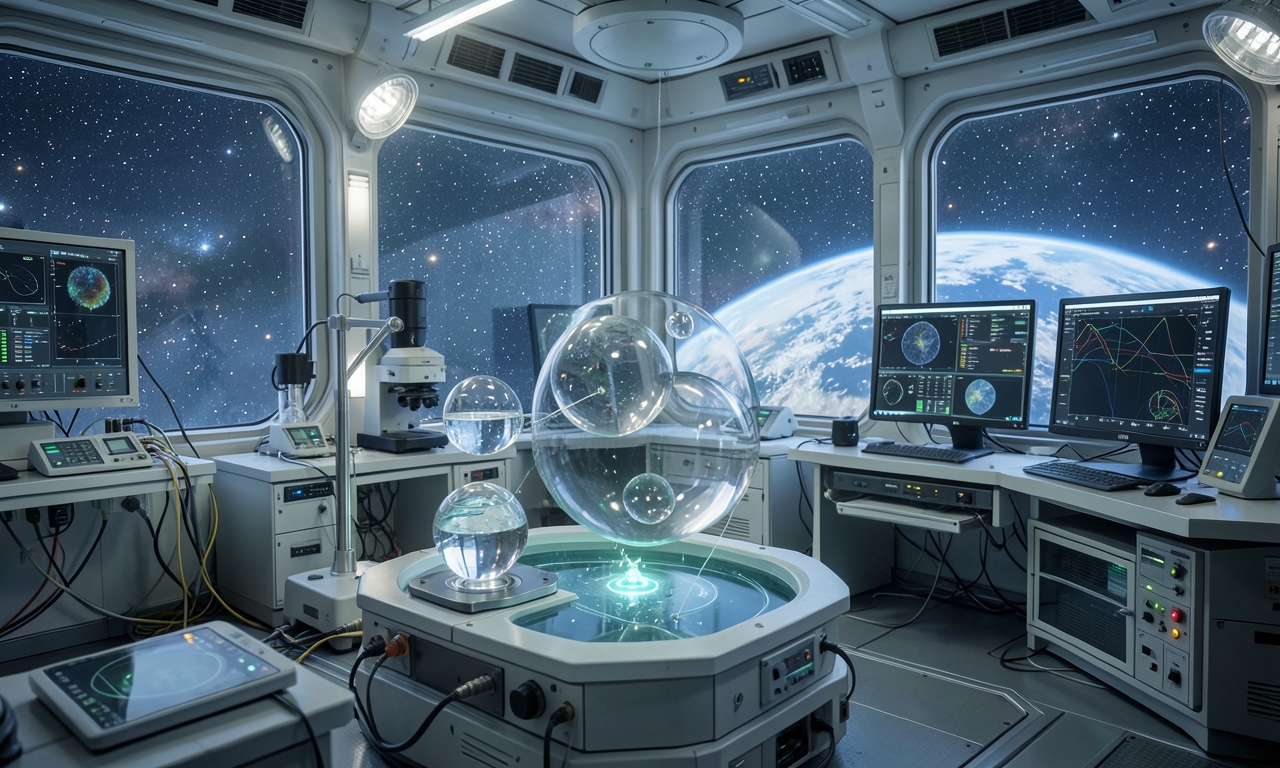
AI-generated illustration
This article was produced with AI assistance and editorially curated from public sources.

Introduction

Every year, water on Earth is redistributed by snow accumulation, monsoon rainfall and changes in ocean circulation. These movements are large enough to shift the planet’s center of mass relative to its geometric center by a fraction of an inch.

Measurement approach

NASA scientists rely on the GRACE‑FO satellite duo to detect these tiny variations. The spacecraft sense minute changes in Earth’s gravity field caused by the movement of water masses.

Relevance for satellites

The center of mass is a key reference for calculating satellite orbits and for precise altimetry over land and sea. Even small shifts can affect the accuracy of navigation systems and geodetic measurements.

Outlook

By continuously monitoring these seasonal fluctuations, researchers aim to improve models of Earth’s gravity field and enhance the precision of future satellite missions.

Frequently asked questions

Was verursacht die jährliche Verschiebung des Erdschwerpunktes?

Die Verschiebung entsteht durch die saisonale Umverteilung von Wasser in Form von Schnee, Monsunregen und Änderungen in den Ozeanströmungen.

Wie wird die Bewegung des Massenmittelpunkts gemessen?

NASA verwendet das Satellitenpaar GRACE‑FO, das winzige Änderungen im Erdschwerefeld erfasst, die durch die Wasserbewegung entstehen.

Warum ist diese Verschiebung für Satelliten wichtig?

Der Massenmittelpunkt dient als Referenz für Bahnberechnungen und Höhenmessungen; selbst kleine Änderungen können die Genauigkeit von Navigationssystemen beeinflussen.